Short answer: a move-out clean is a detailed clean of an empty home, booked after the movers leave and before you hand over the keys. Because the rooms are empty, it reaches everything a landlord or buyer actually inspects - inside cabinets and drawers, inside the oven and refrigerator, closet shelves, baseboards, window sills, and the floors that spent years under furniture. It costs more than a standard clean for one honest reason: it is materially more work.
What our Seattle move-out clean covers
We work from a fixed scope so nothing gets argued about later. A move-out clean of an empty Seattle home includes:
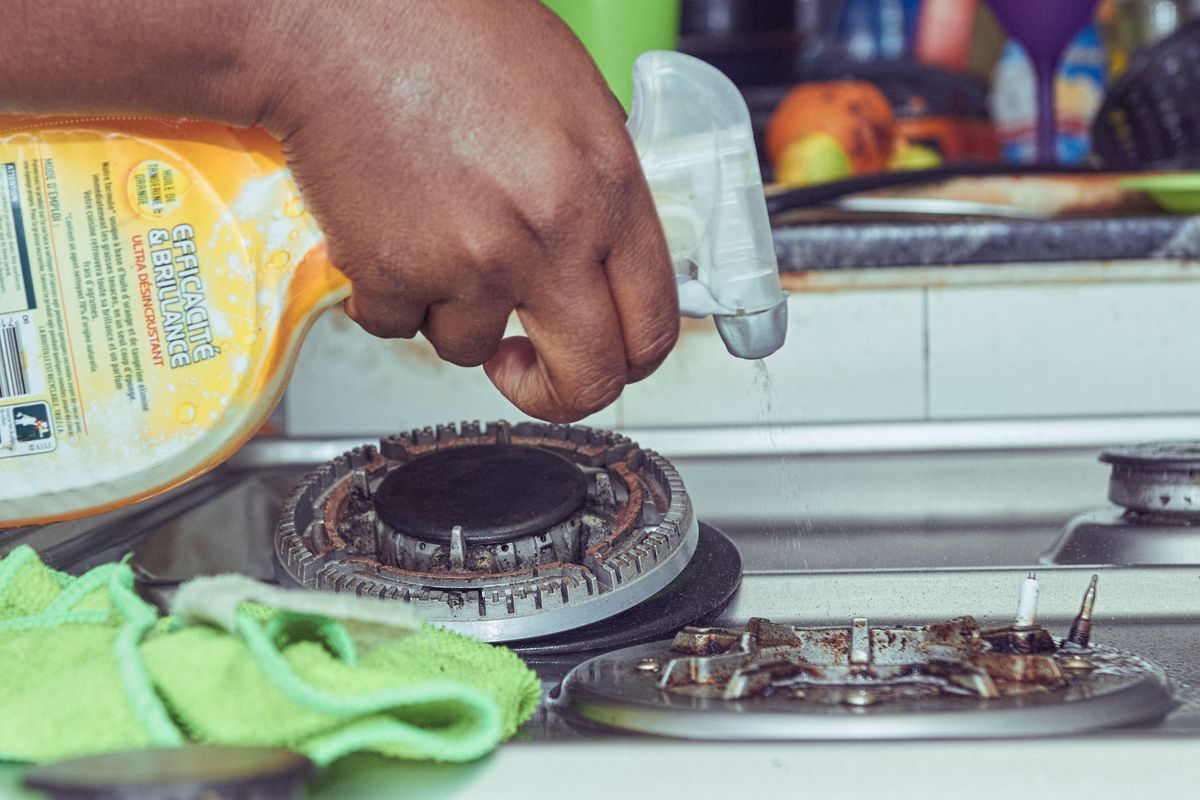
- Kitchen - inside and outside all cabinets and drawers, inside the oven and refrigerator, range and hood degreased, counters and backsplash, sink and fixtures.
- Bathrooms - tub, shower, tile and grout scrubbed and disinfected, toilet, vanity, mirrors, and inside any medicine cabinet.
- Every room - baseboards, door frames, light switches, outlet covers, closet shelves and rods, window sills and tracks, and interior glass.
- Floors - all hard floors vacuumed and washed, carpets vacuumed edge to edge, including the areas that furniture had been hiding.
- Details - cobwebs, vents and fan covers, and the smudges around handles and switches that inspections always catch.
If you would rather tackle it yourself, we publish the same room-by-room list we work from in our Seattle move-out cleaning checklist - it is free, and it is genuinely the whole thing.
Apartments and condos
Most Seattle move-outs are apartments and condos, and they are a different job from a house - not just a smaller one. Property managers here typically inspect against a standardized turnover checklist, which means the pass/fail items are consistent and known: inside the appliances, the in-unit washer and dryer closet, balcony sliders and tracks, and the cabinet interiors. Buildings often restrict move-out to a booked elevator or loading window, so the unit is empty on a fixed date whether or not the cleaning is scheduled. An apartment clean is priced for the actual square footage, so a studio or one-bedroom turnover is one of the least expensive jobs we do.
Does a move-out clean get your deposit back?
Here is the honest version. A professional clean removes the cleanliness grounds a landlord can deduct for - and cleaning charges are one of the most common deductions on a Seattle turnover. It does not, and cannot, address damage or ordinary wear and tear: a professional clean will not fix a cracked tile, a stained carpet, or nail holes, and Washington landlords cannot bill you for normal wear either way. If a landlord keeps any part of a deposit in Washington, they are required to give you an itemized statement of what they kept and why - so keep your own dated photos of the empty, cleaned unit. That record, plus a documented clean, is what makes a cleaning deduction hard to justify. Any company that flatly guarantees your deposit back is guaranteeing something it does not control.
Move-in cleaning: the half people skip
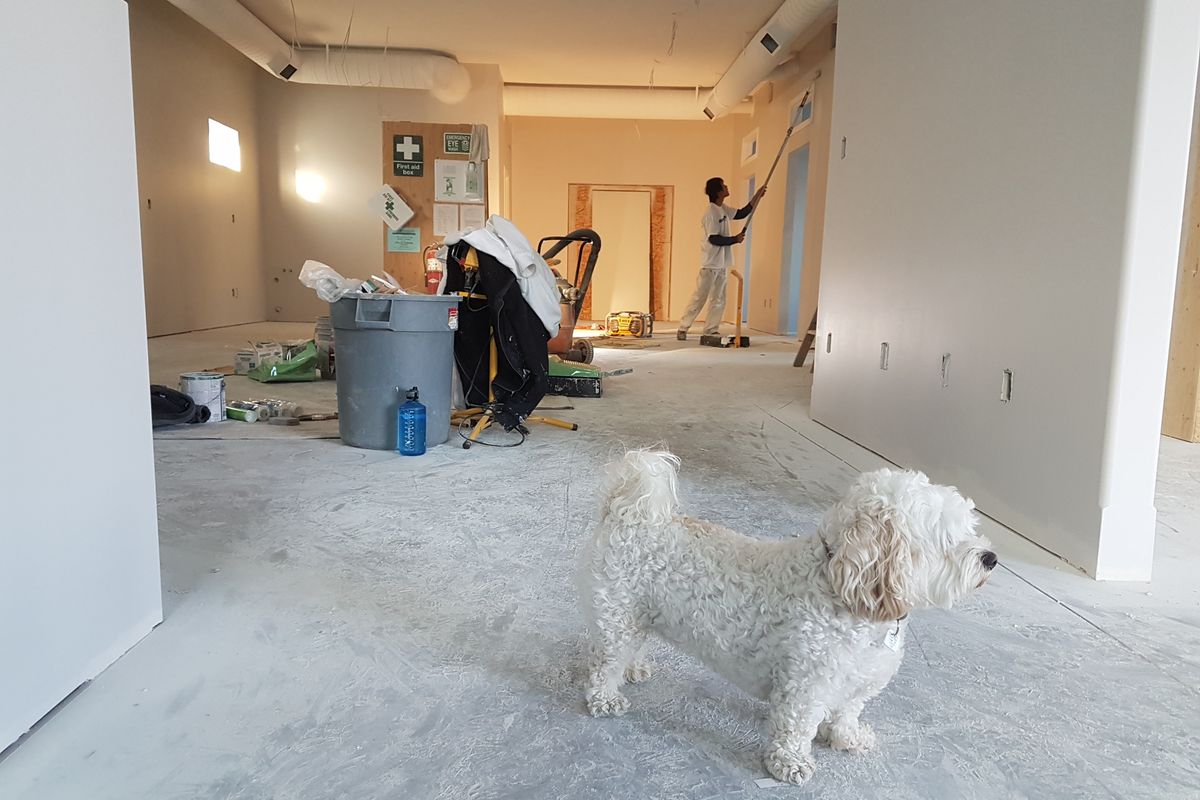
Cleaning the place you are moving into gets far less attention than the deposit-driven move-out clean, and it is the easier win of the two. It is the only moment the home will ever be completely empty and yours - no furniture to work around, no boxes to shift. Previous-occupant residue in cabinets, the refrigerator, and the bathrooms all disappears before a single item of yours goes in. If the place was repainted or had work done before you took it, ask about post-construction cleaning instead, because fine drywall dust settles into vents and needs a different approach.
When to book it
Schedule the clean for after the last load is out and before the walkthrough - ideally with a day of slack, so a delayed moving truck does not collapse the whole plan. Late-month dates are the busiest, since most Seattle leases end on the last day of the month, so book earlier than feels necessary if you are moving out on the 30th or 31st. Give us the keys or a lockbox code and you do not need to be there at all.
How long it takes, and what moves the price
Two questions come up before anything else: how many hours, and how much. Both answers turn on the same three variables, so it is worth being direct about them. Size is the first - an empty studio is usually a half-day job, a two-bedroom runs most of a working day, and a three or four-bedroom house with more than one bathroom is commonly a full day or a two-person crew. Appliance count is the second, and it surprises people: the oven and the fridge are the slowest single items in the entire scope, so a kitchen with a wall oven, a range, and a spare freezer in the garage adds real hours that have nothing to do with square footage. Condition is the third. A home that was maintained during the tenancy cleans on schedule; one where the range hood filter has never come off and the shower grout has gone dark has to be stripped before it can be cleaned at all, and that is the difference between a quote and a surprise. We price against those three variables instead of running an hourly meter, so the figure agreed up front is the figure you pay. If you want the arithmetic behind a routine visit rather than a turnover, our Seattle pricing guide sets out the bands.
What the walk-through gets measured against
Handover inspections are faster and far more predictable than most tenants expect, because whoever is doing it works from a form and visits the same places in the same order. Appliance interiors are opened first, then cabinets and drawers, then the bathroom surfaces, then floors and glass. The high ground goes last - tops of door frames, light fittings, extractor covers - and that is where a DIY turnover most often drops points, because those are the surfaces nobody registers at eye level. Two habits are worth adopting whether or not you hire anybody. Photograph each room once it is empty and lit, so the file carries its own date; and dig out the condition record you signed when you took the place, because anything logged there as already marked or already worn is not something you are being judged on today. The City's Renting in Seattle service is the local reference for how the rest of a tenancy ending is supposed to work.
When the home is not ready for us
The most common reason a turnover clean goes badly has nothing to do with cleaning. Three things derail the day reliably. Furniture still standing is the first - a clean scoped for an empty home cannot reach the floor beneath a bed frame or the back wall of a wardrobe, and a half-loaded home earns a half result. Utilities are the second: power and hot water carry the vacuum, the steam and the appliance work, so a shutoff booked for the morning of the clean quietly deletes a third of the scope. Building access is the third, and it is specific to the towers and mid-rises here - many want a service elevator reserved and a certificate of insurance lodged with the front desk before any contractor is allowed up, and that paperwork runs on the building's calendar rather than yours. Give us the building name when you book and we deal with the desk. On a house it is simpler: keys or a lockbox code, and confirmation the last load has gone.
Move-out cleaning versus a standard clean: what actually changes
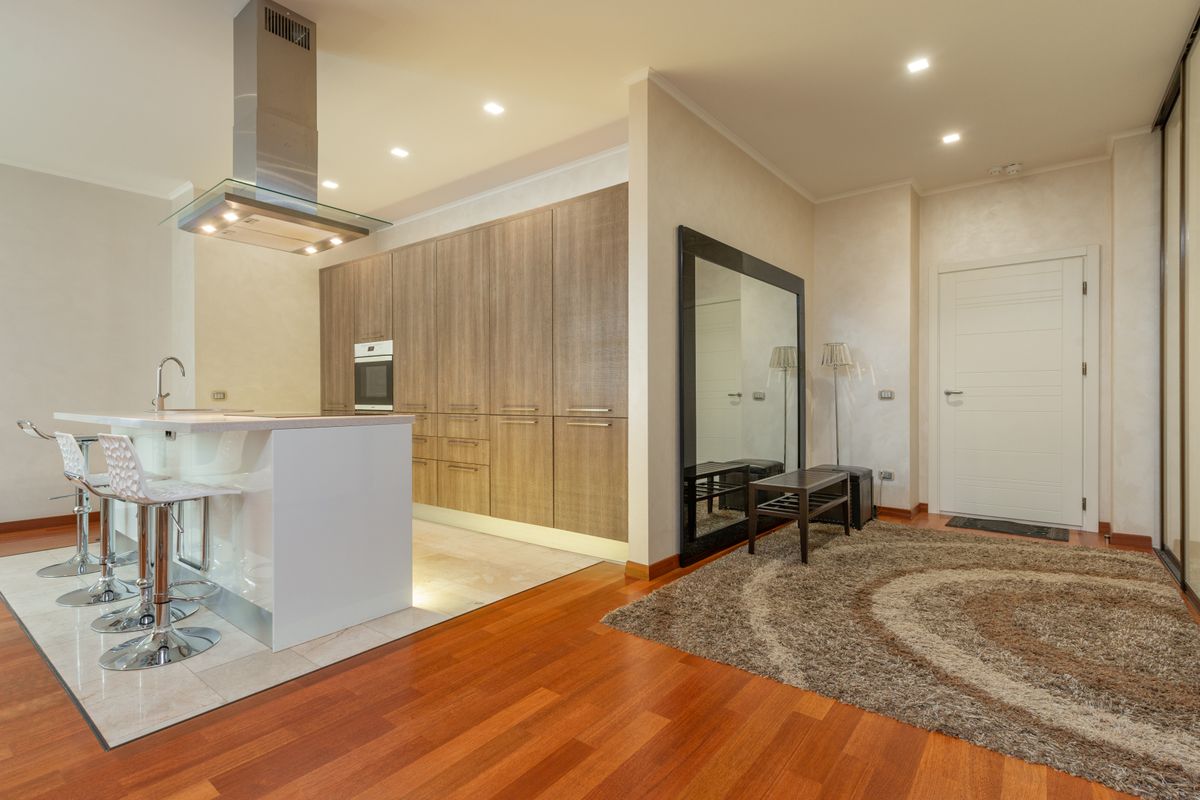
The two services share a name and almost nothing else, and the confusion costs people money in both directions. A standard clean is scoped for a furnished, lived-in home and it is deliberately a surface job: the floors you walk on, the counters you use, the bathroom you shower in, the visible half of the kitchen. It assumes the wardrobe stays where it is and the refrigerator keeps its contents. Move-out cleaning inverts every one of those assumptions. The home is empty, so the scope is the whole box - inside every cabinet and drawer, inside the oven and the refrigerator, closet shelves, window tracks, the stretch of floor that has been under a bed for four years, and the tops of door frames nobody has looked at since the tenancy started.
Three concrete differences drive the price gap, and they are worth naming now rather than discovering on an invoice:
- Appliance interiors are in scope, not an add-on. The oven and the refrigerator are the two slowest single items in any cleaning job, and a standard visit does not open either one. On a handover they are mandatory, because they are the first two doors an inspection opens.
- The work is measured against a form, not a preference. A recurring clean is judged by the person who lives there. A move-out is judged by a landlord or property manager working down a checklist, so items no resident would ever mention - a dusty extractor cover, a sticky cabinet runner, the top of a door frame - become pass or fail.
- There is no next visit. A recurring schedule can leave the blinds until the fortnight after. A handover clean gets one attempt, which is why it is scoped to reach everything at once instead of rotating the slow work across visits.
If the home is still furnished and you are staying in it, the service you actually want is a deep clean rather than this one. Booking a move-out clean on a full house buys the empty-home scope and then cannot deliver it, because half of that scope is behind your own furniture.
Hiring move out cleaners in Seattle: what to ask before you book
Most people start looking for move out cleaners about a week before the handover, collect four quotes, and find they have no way to tell them apart - every one of them says "deep clean" and none of them says what that means. Five questions separate them, and they take about two minutes on the phone.
- Are the oven and refrigerator interiors included, or extra? That single line accounts for most of the spread between a suspiciously low quote and a realistic one.
- Is the price flat for an agreed scope, or hourly? An hourly crew in an empty home is quoting you an unknown, and the unknown sits on your side of the ledger.
- What changes between apartment move out cleaning and a house? An apartment adds the in-unit laundry closet, the balcony slider and its track, and a building access window that has to be booked. A house adds a garage, more glass, and often a basement. A company that gives the identical answer for both has one checklist and has not read yours.
- What happens if the walkthrough fails on cleanliness? Ask whether a return visit is included and for how many days after the clean it stays available. A handover leaves no slack, so that answer matters more here than on any other job.
- Will you work from my signed move-in condition checklist? If you have one, the crew should be working from that document rather than from a generic list - it names the surfaces you are actually being measured on.
The same five questions apply if you are hiring move in cleaners for the place you are arriving at, with one addition: ask whether they will clean it before your furniture lands rather than around it. An empty home is the only moment this work is both cheap and complete, and a move-in clean booked a week after the boxes arrive is a slower, more expensive, less thorough job for the same money.
Moving out on a date you cannot change? Get an upfront, flat quote for your Seattle move-out clean and lock in the slot before the end-of-month rush takes it.